Can ChatGPT Replace a Psychiatrist?
Updated: Aug 23
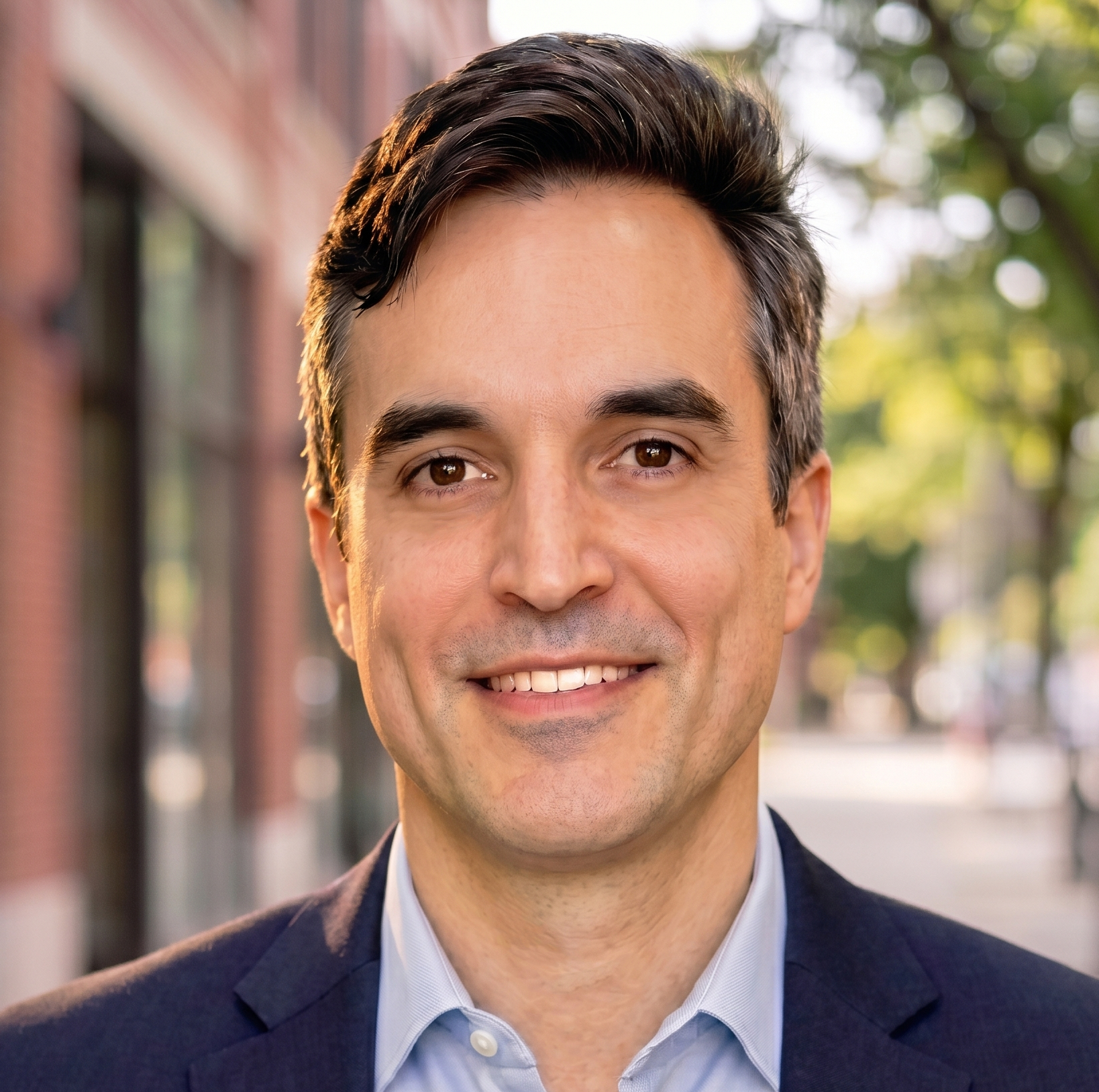
By Brett Stephan, MSN, APRN, PMHNP-BC, Clinical Director at Tessahealth and Consulting Associate, Duke University
My patients bring up ChatGPT on a regular basis, and for good reason. I've heard patients say that ChatGPT, or Claude, or Gemini, helped them figure out what to say when they finally reached out for help. A few patients have asked me directly whether they still need to see me at all when they can get advice from a chatbot instead.
When patients ask me about using ChatGPT for their mental health, they're really asking whether it can replace a psychiatrist. My honest answer is no.
ChatGPT and other chatbots cannot replace a psychiatric provider: they cannot diagnose, prescribe, or handle a crisis. They do not know your history, your personal situation and stressors, your lab values, or which medications you have already tried, the way a psychiatric provider who treats you over time does. But when used carefully, chatbots can genuinely help. Here's what I actually tell my patients when they ask.
What can ChatGPT actually help with for mental health?
Using ChatGPT for mental health questions isn't always a bad idea. I use AI tools every day in my own work. Millions of people are turning to it for support, and pretending that isn't happening does not help anyone. What matters is being clear about where it helps and where it hurts.
Here's where I've seen it work well:
Sorting out what you're feeling. A lot of people struggle to name what they're experiencing. Is this anxiety or burnout? Is this a low mood or depression? ChatGPT can be a useful thinking partner for putting words to what's going on. Some patients have used it to draft what they want to say at their first appointment, and they arrive more prepared than they might have otherwise.
Learning about a condition. If your provider mentioned bipolar II or OCD or PTSD and you left the appointment not fully understanding, ChatGPT can explain the basics in plain language. It's a decent starting point, but it's not a substitute for a conversation with the professional treating you.
Practicing hard conversations. Talking to a partner about needing more support, telling your boss you need to take leave, explaining to a family member what you're going through. Rehearsing those with ChatGPT is not a bad use of the tool.
Reminders, routines, and structure. If you're managing ADHD or trying to build a sleep routine, ChatGPT can be a decent accountability tool. It's patient, it's available at 3 AM, and it doesn't get frustrated with you for asking questions.
None of that is trivial. If ChatGPT helps you walk into your first appointment better prepared, or helps you stick with the plan your provider gave you, that is a real win.
What ChatGPT cannot do (and why it matters)
Here's where I'm direct when asked about using ChatGPT for mental health.
It cannot diagnose you. Diagnosis is not as simple as matching symptoms to labels. It requires a real conversation, a history, an understanding of what other conditions might look similar, ruling out medical causes, and often lab work or medication history review. What ChatGPT gives you looks like a diagnosis but it isn't one. Acting on it can send you down the wrong road.
It cannot prescribe. Psychiatric medications require a licensed provider who knows your medical history, your other medications, your labs, and your response to previous treatments. Even the safest antidepressants have interactions and contraindications that matter. The dose that helps you get better could be harmful to someone else with a similar-looking list of symptoms. This is exactly the kind of situation where a chatbot can do harm. Some psychiatric medications cannot simply be stopped abruptly. They have to be tapered slowly and carefully to avoid serious withdrawal. A chatbot has no way to know that. A psychiatric provider who knows your history does.
It will agree with you more than it should. This is the most important limitation for anyone using chatbots for mental health. ChatGPT is designed to be helpful and responsive, which means it often mirrors what you say back to you. If you tell it you're fine when you aren't, it may accept that. If you're building a story about yourself that isn't accurate, it may reinforce it. In a 2025 health advisory, the American Psychological Association warned that general-purpose AI chatbots should not replace a qualified provider, that their ability to handle a crisis is limited and unpredictable, and that they can validate a user's thinking rather than challenge it. A trained clinician is supposed to push back when something doesn't add up. ChatGPT usually will not.
It cannot handle a crisis. If you're in acute distress or thinking about hurting yourself, ChatGPT is not equipped to help. It cannot call anyone for you, it cannot send help, and it has no way to know if you're safe. This is not a criticism of the technology. It's just what it is. If you or someone you know is in crisis, call or text 988. That is what it is there for.
It doesn't know you. Not really. Every conversation is a fresh start, or at best a rough summary of what you've told it before. Your history, your patterns, your family, your labs, your medication trials, what worked and what didn't, all of that has to be pieced together by a real clinician who is treating you over time. That relationship is what makes psychiatric care actually work.
How to use ChatGPT safely for mental health support
If you're already using ChatGPT for mental health support, and you're going to keep using it, here's how to do it more carefully.
Treat it like a well-read friend, not a doctor. It can help you think, organize, and prepare. It cannot provide medical treatment.
Don't share information you would not want stored somewhere. ChatGPT is not covered by health privacy laws the way your medical record is.
If it tells you something that sounds like a diagnosis or a medication recommendation, take that as a starting point for a conversation with a real psychiatric provider, not a conclusion.
If you notice it agreeing with everything you say, especially about difficult decisions, ask yourself who in your life would challenge you in that same situation. Then talk to that person, or find a healthcare provider who will.
If you're in crisis, close the app and call 988. Or come see us.
What a psychiatric provider gives you that ChatGPT cannot
I want to be clear about what you get from working with someone like me that you cannot get from a chatbot.
I know your story over time. I know which medication you tried 5 years ago that made you feel numb, and why we're not going back to it. I know that your sleep problems started after a major life event last year and that treating the sleep issues alone will not address the underlying problem. I know your labs, your blood pressure, and the fact that certain medications can make your heart rate climb into a range we need to watch.
I can prescribe, and I can adjust, and I can read between the lines to determine what next step we should take in our treatment plan. Getting the right medication and dose is not a one-time event. It's a conversation over months, with adjustments based on how you're actually feeling.
I can handle the parts of care that are not clinical but matter enormously. FMLA paperwork, disability documentation, work accommodations, insurance approvals for the medication that actually works for you. Our patient support team manages all of it. You focus on getting better. We handle the rest.
I can push back even when it's hard to hear what I need to say. When something you're telling me doesn't fit the pattern, when a decision looks like it might make things worse, when a family dynamic is playing a bigger role than you're acknowledging, I will say so. Not always gently. But honestly. A good clinician is not always agreeable, and that's part of the value of having a trusted professional at your side.
And when a real crisis happens, I'm the one who can act.
The bottom line
ChatGPT, Claude, Gemini, these are tools. Useful ones, sometimes, for the right things. A chatbot is not a psychiatric provider, and it is not a therapist. Treating it like one, especially during a hard period, can quietly make things worse in ways that are difficult to see from the inside.
If you've been using ChatGPT because real care feels hard to access, I understand. That's part of why our practice exists. Getting started with us takes about a day. Your insurance probably covers most of it. Your first visit is a real conversation with a real person who will remember what you said the next time you come in.
If ChatGPT has helped you get to the point of thinking about care, use that momentum. Reach out.
Ready to talk to a real provider?
Your first step is a free 15-minute consultation. No commitment, no forms, no cost. Just a conversation to see if Tessahealth is the right fit.
Book your free consultation today or call us at 888-813-3543.
Tessahealth provides online psychiatry and therapy across multiple states. We accept most insurance plans, including Aetna, Blue Cross Blue Shield, Cigna, UnitedHealthcare, Oscar, Optum, Anthem, Carelon, and more. See all accepted insurance.
If you or someone you know is in crisis, call or text 988 for the Suicide and Crisis Lifeline. In an emergency, call 911.
______________________________________________________________________________________
About the Author
Brett Stephan, MSN, APRN, PMHNP-BC, is the Clinical Director at Tessahealth and a Consulting Associate at Duke University. He treats adults and teens for conditions including depression, anxiety, ADHD, bipolar disorder, OCD, and PTSD, and is licensed across all of the states Tessahealth serves. At Tessahealth, he and his team handle the paperwork, from FMLA and disability forms to insurance approvals, so you can focus on getting better.
Comments